



The marketing world never slows down. New platforms, smarter tools, shifting consumer habits—it is a constant evolution. For 2025, that pace shows no signs of easing. Marketers are being asked to deliver more results with tighter budgets, while navigating technologies that are transforming how people connect with brands.
So what should you focus on this year? We have broken down the five areas shaping digital marketing in 2025 and how you can use them to your advantage.
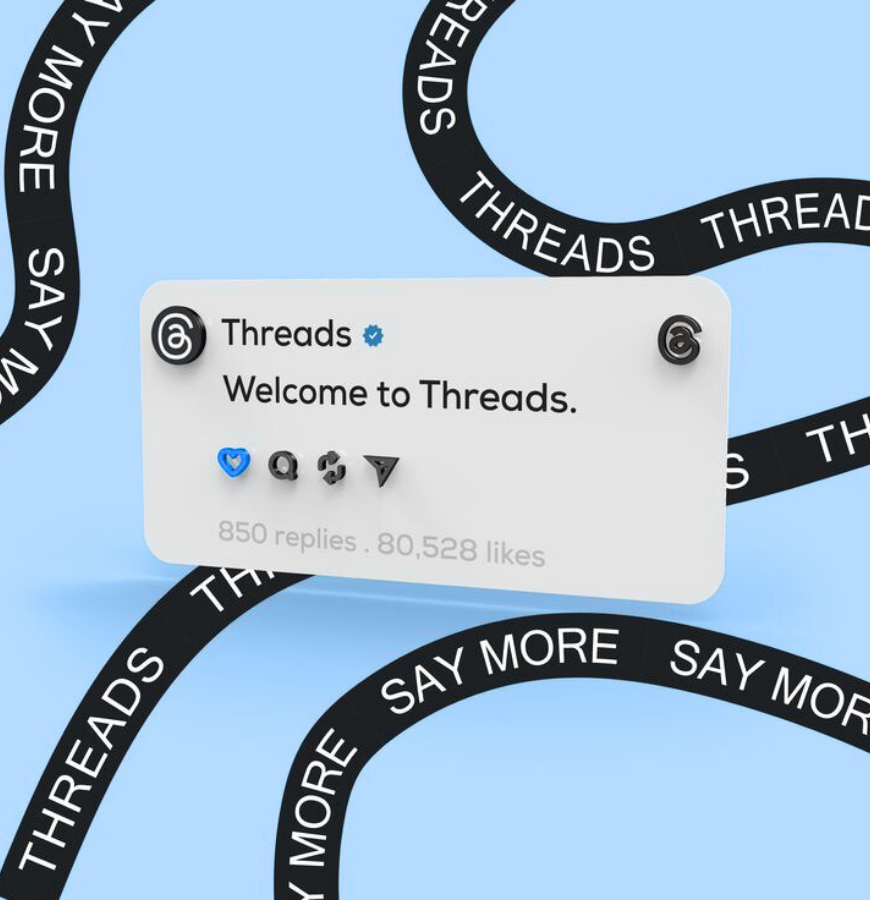
With X (formerly Twitter) losing traction, Threads has surged to over 275 million users, attracting audiences who want simple discussions and text-driven content. It is positioning itself as the new home for casual conversations, Q&As, and organic brand engagement, much like Twitter used to be.
Takeaway: Threads rewards quick, conversational posts. Think text-led humor, insights, or community questions rather than heavy video campaigns.

Consumers crave authenticity, and employees are becoming trusted brand storytellers. LinkedIn is leading this charge, where organic employee posts often outperform corporate content. Brands that highlight real people and real perspectives will win trust.
Takeaway: Encourage employees to share experiences and behind-the-scenes moments. Keep it natural, not scripted.
The future of social media isn’t polished campaigns—it’s human stories. Employees, not ads, are becoming the most trusted voices. Brands that let real people share real experiences will spark engagement and loyalty in ways traditional marketing can’t.
Influencer fatigue is real. Instead, brands are shifting focus to customer collaborations, turning loyal fans into co-creators. Beauty brand REFY, for example, hosts exclusive retreats for its community rather than chasing celebrity endorsements.
Takeaway: Invest in building communities and give your most engaged customers the spotlight.

AI is no longer optional. It is embedded in CRMs, ad platforms, and social tools. In 2025, its role deepens with two big shifts:
Takeaway: Start small. Use AI to automate repetitive work and free time for creativity and strategy.
From dynamic pricing to visual search and voice commerce, AI is reshaping how people shop online. Personalized recommendations, smarter chatbots, and hyper-personalized ads are becoming standard.
Takeaway: If you are in retail or e-commerce, AI adoption is how you will meet customer expectations for speed, relevance, and convenience.
Yes, you still need SEO and data analysis. But employers increasingly value durable human skills like collaboration, problem-solving, and leadership. With AI taking on routine tasks, your ability to think creatively and strategically becomes your edge.
Marketers do not need to be AI engineers, but understanding how to prompt, refine, and strategically apply AI tools is non-negotiable. From campaign optimization to research, the marketers who master AI will set themselves apart.
Marketing does not exist in a vacuum. Knowing finance, growth strategy, and customer economics is now part of the job. The best marketers are not just content creators, they are growth drivers.
Takeaway: Invest in both technical and human skills. AI will handle execution, but strategy, creativity, and financial literacy keep you indispensable.
Traditional search is shifting dramatically. By 2026, Gartner predicts a 25 percent drop in classic search traffic. Why? Because users are finding answers in new ways.
Takeaway: Expand SEO strategies into social platforms and prepare content for AI-driven visibility.
Instead of endlessly creating new blogs, brands are seeing big wins from updating existing content with fresh data, visuals, and insights. Neil Patel found that this can boost traffic by over 100 percent.
Audiences can spot AI-only content, and they trust it less. The best results come from mixing AI efficiency with human creativity, adding original research and perspective.
Born after 2010, Gen Alpha is already influencing markets. They value inclusivity, sustainability, and gamification in brand interactions. Unlike older generations, they will expect to engage digitally in more immersive, community-driven ways.
Takeaway: Do not just pump out content. Invest in updates, authenticity, and formats that connect with younger audiences.
2025 is not about chasing every new tool or trend. It is about focus.
The brands that thrive this year will not be those doing the most, but those doing the right things with clarity and consistency.